AITechnology
RAM Shortage 2025-2027: Why Prices Won't Drop Sooner (Report)
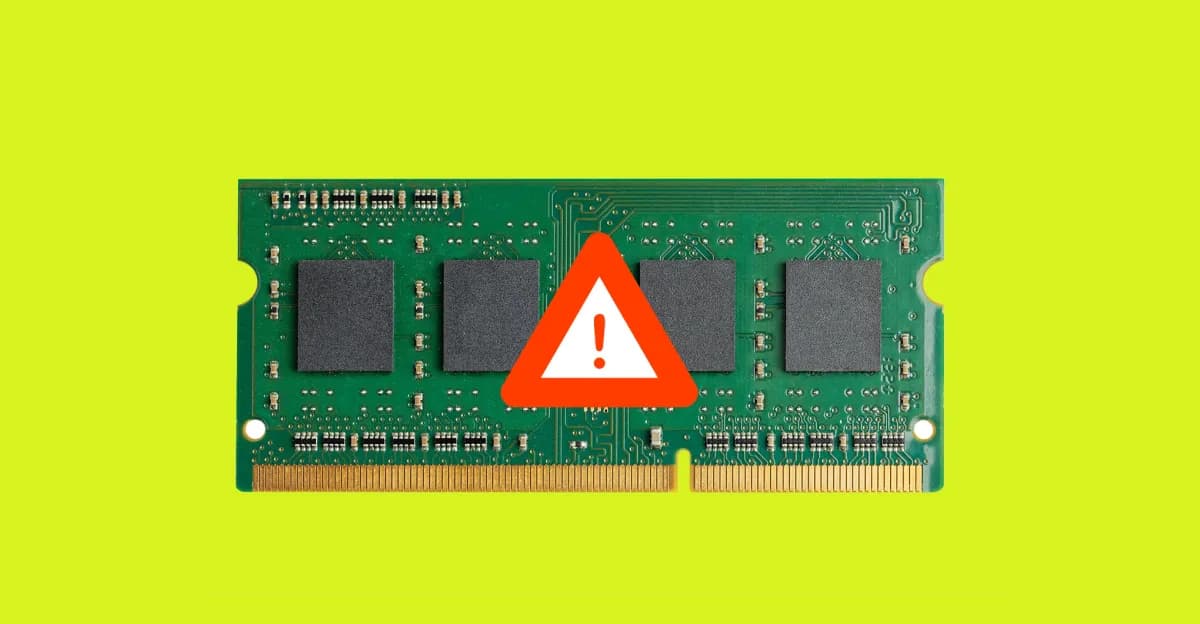
🚀 Quick Answer
- Supply Gap: Global memory makers (Samsung, SK Hynix, Micron) expect to meet only 60% of demand by the end of 2027.
- Cause: Slash-and-burn competition for the AI market is prioritizing High-Bandwidth Memory (HBM), diverting资金 from standard DRAM chips.
- Timeline: Industry leaders predict the shortage could persist until 2030, not just until the end of 2026.
- Impact: Consumer electronics (laptops, phones, consoles) will continue seeing price hikes as production streams remain constrained.
- Action Required: Hardware planning for development workstations must account for at least 1–2 years of elevated pricing.
🎯 Introduction
The RAM shortage—a crisis that began with pandemic-era server compute demands—is calcifying into a multi-year market reality, not a temporary blip. As developers push for AI acceleration, the entire supply chain is being rerouted away from standard memory.
According to a recent Nikkei Asia report, even with massive expansion plans, the world’s largest memory makers are only expected to meet 60 percent of demand by the end of 2027. This isn’t just bad news for gamers; it fundamentally changes how we budget for hardware upgrades and deploy local AI models.
🧠 Core Explanation
The situation is structural, not cyclical. While the electronics market has seen crashes before, this shortage is unique because the source of the demand is creating its own bottleneck.
The three titans—Samsung, SK Hynix, and Micron—are racing to build new "fabs" (fabrication plants). However, the industry narrative is shifting: the lucrative profits in AI have directed this new capacity toward High-Bandwidth Memory (HBM).
Here is the catch: HBM chips are used almost exclusively to power NVIDIA's H100/H200 GPUs. When manufacturers prioritize HBM, they are effectively cannibalizing the production slots needed for standard Dynamic Random-Access Memory (DRAM), which powers your workstation, laptop, and server instances.
Developers often struggle with this disconnect: You need more RAM to run larger local LLMs, but the silicon supply chain is prioritizing faster RAM for data centers over more standard RAM for general computing.
Market research firm Counterpoint Research highlights a significant disparity: the industry plans a 7.5% annual capacity increase, but demand actually requires a 12% annual jump simply to stabilize the market.
🔥 Contrarian Insight
While everyone is blaming "supply chain inflation," it’s a manufactured scarcity driven by a monopoly on the most valuable chip technology. The shortage is perfectly sustainable for these three companies as long as they continue selling HBM at premium margins to data centers. We likely won't see a price normalization for consumer DRAM until the economics of HBM shift back toward standard capacity.
🔍 Deep Dive / Details
The AI Diversion
The demand from AI data centers is insatiable. To run large language models (LLMs) efficiently, you need High-Bandwidth Memory (HBM). However, HBM is complex to manufacture and stack (using 3D stacking technology).
The Investment Bottleneck: SK Group Chairman Kim Jung-kyu has gone on record stating that shortages could last until 2030.
- The new fabs opening in February (SK's expansion in Cheongju) are the only new production increase on the horizon for 2026.
- Because the path to AI compute dominance is lucrative, the memory giants are monetizing their scarcity.
The Stagnation of New Fabs
While we hear about new factories, the timeline is brutal:
- 2026 to 2027: The window between planning the expansion and breaking ground is massive. Even with immediate construction, these massive plants take years to ramp up to full productivity.
- The Gap: There is a production gap created because the current generation of fabs has peaked, and the next generation is locked behind the specific needs of HBM technology.
Impact on the Consumer
The prompt mentions VR headsets, laptops, and phones. This is where the pain points are direct:
- Laptops: Developers buying M3 Max or comparable high-end laptops are seeing these hits reflected in price tags. You aren't just paying for the chip; you are paying for the flimsy RAM sticks entering the system.
- Workstations: If you are building a rig for video editing or local AI dev (to avoid cloud costs), expect your RAM costs to stay artificially high for at least 18 months.
🧑💻 Practical Value: Developer Action Plan
Given this forecast, how should you act?
1. Allocate a "Future-Proof" Buffer (HBM & Storage) If you are buying a new machine (laptop or home build) in 2024-2025, do not buy the lowest possible tier of RAM. With shortages predicted until 2027, the cost delta between 32GB and 64GB won't drop. Lock in the capacity you think you'll need in 2028 now, because the "sale" you are waiting for might not exist.
2. Re-evaluate Cloud vs. Local If local inference is becoming prohibitively expensive due to hardware constraints, reconsider edge deployment strategies or whether you need a beastly local setup versus renting cloud GPU instances with guaranteed memory allocations.
3. Avoid Aesthetic Overheating Cheap RAM modules might cost less now, but in this scarcity environment, cheap means untested and likely slower. Stick to reputable manufacturers (G.Skill, Kingston, Samsung) to avoid running into compatibility issues later when stock might be even tighter.
⚔️ Comparison Context
Memory Options: Standard DRAM vs. HBM
| Feature | Standard DRAM | HBM (High Bandwidth Memory) |
|---|---|---|
| Primary Use | Computers, Laptops, Game Consoles | GPU Data Centers (AI/ML Inference) |
| Manufacturing Cost | Lower (Standard nodes) | Extremely High (Requires 3D stacking) |
| Price Trend | ONSLOPE (Trending Up) | RISING (Driven by AI demand) |
| Availability | Scarce (Suppliers diverting capex here) | Tight but stabilized (High margin) |
| Buyer Impact | Direct (You buy the desktop module) | Indirect (Affecting laptops trying to cheat with "fake" overclocking) |
⚡ Key Takeaways
- The Crisis is Real: Nikkei reports a significant deficit where suppliers will meet only 60% of demand by 2027.
- AI is the Culprit: Production lines are being repurposed for HBM chips required for AI accelerators, starving the desktop market.
- Price Erosion is Distant: The shortage is forecasted to last, potentially, until 2030.
- Developers Pay the Price: The delay in fab ramp-ups means your next workstation upgrade bill will include a premium for memory capacity.
- Capacity Gaps: While suppliers plan a 7.5% increase, the market requires a 12% increase, creating a structural deficit.
🔗 Related Topics
- HBM vs. GDDR6: Which is actually faster for GPUs?
- Guide: Building a Local LLM Server on High-DiR AM
- Top 5 Laptops for Developers in 2024 (RAM Considerations)
- Why Cloud Gaming is struggling with memory requirements
🔮 Future Scope
Expect to see "integrated memory" designs become more popular sooner rather than later. As RAM inches closer to the CPU on the same silicon (like Apple's M-series unification), the external DRAM shortage pressure might finally ease for mobile devices, potentially shifting the bottleneck permanently to workstation builds.
❓ FAQ
Q: Will RAM prices actually go up next year? A: Yes. According to the report, manufacturers are facing a supply deficit that shouldn't be filled until at least 2027.
Q: Why can't they just build more factories? A: The cycle of building a memory fab takes 4-5 years. The new capacity opening in 2027 is being built today based on demand projections from 2 years ago, which were lower than current AI demand.
Q: How does this affect Mobile Phones? A: Smartphones are moving toward 12GB or 16GB of RAM baseline. The shortage will keep these phones expensive and potentially limit faster refresh rates or advanced features that rely on extra memory bandwidth.
Q: Is there an alternative to RAM for AI? A: Variable Length Instructions (VLIW) or Ultra Low Latency Memory (ULM) in the long term, but right now, HBM is the only viable rapid-deployment architecture.
🎯 Conclusion
We are entering the "expensive memory" era. For developers and tech enthusiasts, this isn't just a pricing annoyance; it is a projection of reduced hardware innovation speed. The boom in PC sales we saw during the pandemic is over. If you plan to buy a new laptop or build a PC this year, do not wait for a price drop—budget for the current inflated rates, and prioritize capacity over raw speed.
Join the discussion: Do you think we will see a new memory technology surface before this shortage breaks, or are we just stuck waiting for supply chains to catch up for the next 5 years?
Share This Bit